Exploring the Rich Background and Culture Surrounding Liquor Around the Globe
The background of Liquor is a complex narrative woven with various cultures and eras. From old Chinese rice wines to Sumerian barley beer, each region has actually left its mark on fermentation techniques. These drinks have served not only as food but additionally as integral components of rituals and social events. As craft distilling gains popularity today, one might question how these historic traditions influence contemporary practices and what developments are emerging in this old-time craft.
The Beginnings of Fermentation: Old Practices and Early Spirits
Although the precise beginnings of fermentation stay shrouded in secret, proof recommends that old civilizations individually found the procedure, offering rise to several of the earliest spirits. Historical searchings for show that fermented drinks date back to as very early as 7000 BCE in regions like China, where rice, fruit, and honey were integrated to develop very early alcohols. In Mesopotamia, the Sumerians developed beer from barley, which is recorded in old texts and routines.
These very early methods of fermentation were often accidental, as all-natural yeasts engaged with sugars in food resources, generating alcohol. The process quickly ended up being integral to social norms, with various cultures fine-tuning strategies and active ingredients gradually. From the Egyptians' use of barley to the Andean peoples' chicha made from maize, these early spirits not only functioned as sustenance yet also as a method of social bonding, laying the foundation for the varied Liquor customs that would certainly follow.
Liquor in Parties and rituals: A Cultural Point of view
Liquor plays a substantial function in numerous rituals and events throughout cultures, typically serving as a sign of unity and respect. Spiritual libations are typically provided in ceremonies, symbolizing regard and gratefulness to greater powers. In addition, salutes during congratulatory events cultivate a feeling of area and shared pleasure, highlighting the social importance of these beverages.
Spiritual Libations in Ceremonies
Throughout history, numerous cultures have integrated sacred drinks right into their celebrations and rituals, acknowledging the extensive significance of these drinks in marking vital life occasions. In many Aboriginal customs, offerings of Liquor are made to honor divine beings and ancestors, symbolizing appreciation and link to the spiritual measurement. In Hindu ceremonies, for example, offerings of rice a glass of wine or various other spirits are indispensable to rituals, representing filtration and blessing. Similarly, in old Greek society, red wine was poured as a homage during festivals devoted to gods like Dionysus, celebrating fertility and festivity. These spiritual libations act as avenues between the spiritual and physical worlds, promoting community bonding and the expression of cultural identification through shared experiences and cumulative memory.
Salutes in Celebratory Occasions
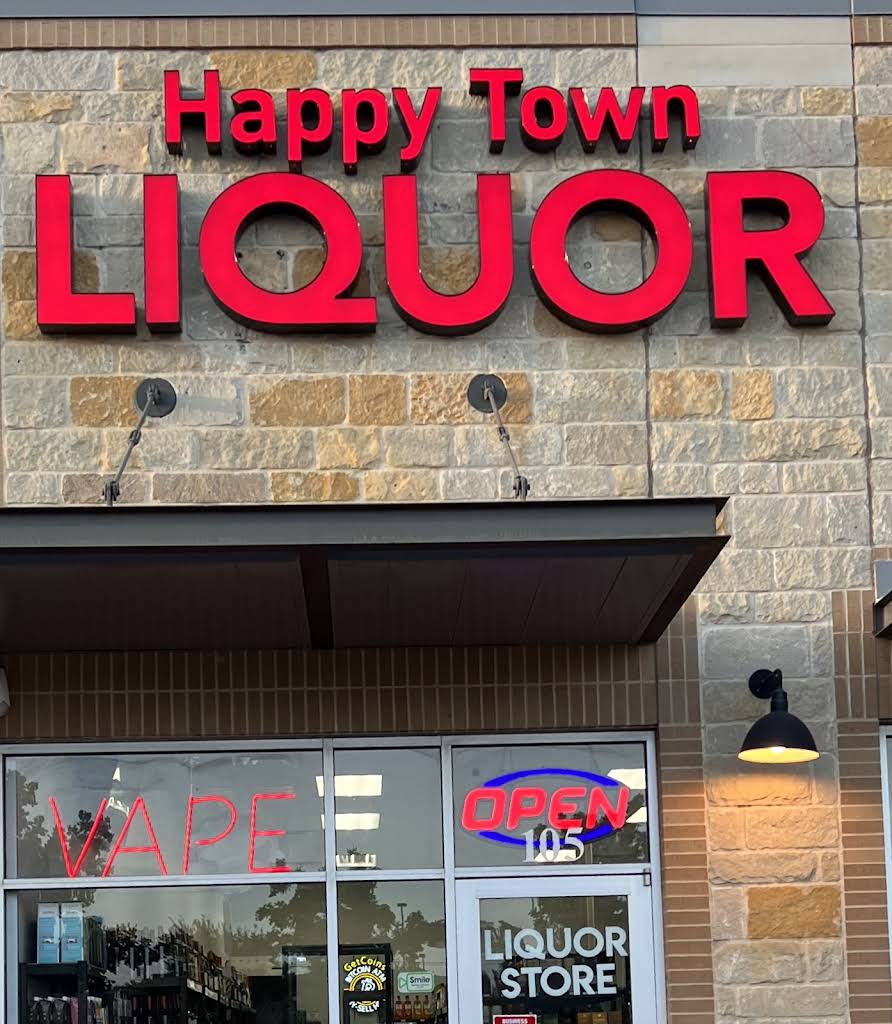
Regional Variations: Distillation Techniques Throughout Continents
Around the world, distillation techniques vary substantially, showing the distinct social techniques and sources of each area. In Asia, conventional methods often emphasize fermentation and local ingredients, while European craft distillation concentrates on precision and heritage. On the other hand, the Americas showcase their own distinctive approaches, mixing technology with native methods to create a diverse selection of spirits.
Typical Techniques in Asia
While many areas in Asia brag rich practices of Liquor production, the approaches of purification differ significantly, reflecting neighborhood personalizeds and offered resources. In China, for instance, the manufacturing of baijiu utilizes a distinct fermentation process including sorghum and a solid-state purification method, which identifies it from other spirits. Japan's sake-making concentrates on rice and employs a double fermentation method that results in a noticeably smooth flavor profile. In Southeast Asia, countries like Thailand and Vietnam frequently generate rice-based spirits like lao khao and ruou, making use of traditional pot stills that highlight artisanal craftsmanship. These varied approaches not just highlight regional components however also protect social heritage, showcasing the detailed relationship between Liquor production and regional identification throughout the continent.
European Craft Purification
European craft purification showcases a diverse variety of strategies that mirror the continent's rich social heritage and neighborhood resources. In countries like Scotland, typical pot stills produce unique single malts, while Italy welcomes column purification for its premium grappa. France is understood for its artisanal method to cognac and armagnac, highlighting the importance of terroir in flavor development. At The Same Time, Eastern European countries frequently make use of special components, such as rye and fruits, in their vodka manufacturing, maintaining olden recipes. The revival of craft distilleries across Europe has actually resulted in cutting-edge methods, mixing ancient methods with contemporary flavors, thus enhancing the craft spirit landscape. These regional variants add to a dynamic tapestry of European Liquor practices, valued by lovers worldwide.
Special Strategies in Americas
The Americas boast a large range of purification techniques, they are usually characterized by distinctive local impacts and neighborhood ingredients. In the United States, bourbon production counts heavily on corn, with a specific aging process in charred oak barrels, causing an abundant flavor profile. In Mexico, the production of mezcal displays the use of agave, employing traditional techniques Continue such as toasting the piñas in underground pits, which passes on a distinct smokiness. South America offers its own variants, with cachaça from Brazil being distilled from fresh sugarcane juice, using a fresh and vivid taste. Each method shows the cultural heritage and farming methods of the region, contributing to the diverse landscape of Liquor production across the continent.
The Role of Liquor in Social Gatherings and Community Life
Liquor has actually long acted as a driver for social interaction, reinforcing and cultivating connections community bonds. Throughout numerous cultures, shared alcohol consumption experiences commonly signify friendliness, celebration, and the forging of partnerships. In numerous societies, celebrations focus on the intake of Liquor, whether during celebrations, family members get-togethers, or casual meet-ups.
In setups such as pubs, wine rack, and regional distilleries, the act of taking pleasure in a beverage with each other produces an atmosphere of camaraderie. Traditional toasts and routines enhance these experiences, noting landmarks and recognizing common backgrounds. For some areas, specific alcohols symbolize social identification and heritage, reinforcing social communication.
Liquor can facilitate discussions and bridge separates, allowing individuals from diverse backgrounds to link. Ultimately, the role of Liquor in celebrations transcends mere consumption, symbolizing a deeper relevance in neighborhood life and human link.
The Evolution of Liquor Production: From Craft to Sector
As the need for varied alcoholic drinks has increased globally, the evolution of Liquor manufacturing has actually moved from small craft approaches to large-scale commercial processes. Historically, Liquor was created by craftsmens using standard strategies, emphasizing neighborhood components and one-of-a-kind flavors. This craft technique enabled for an individual touch, often causing distinctive regional spirits.
The rise of globalization and technological advancements led to the commercialization of Liquor manufacturing. Large distilleries arised, using mechanization and automation techniques to fulfill consumer demands effectively - Liquor Store near me. This adjustment made it possible for consistent quality and broader circulation, transforming Liquor into a commonly accessible item
In spite of the industrialization of Liquor manufacturing, a counter-movement has actually arised, with several consumers seeking authentic, handcrafted spirits. This has prompted a resurgence in craft distilling, combining standard techniques with contemporary advertising strategies, as producers aim to deal with a discerning clients while taking care of the complexities of a global market.
Modern Trends and Innovations on the planet of Spirits
With the expanding interest in one-of-a-kind taste profiles and sustainable techniques, the spirits market is experiencing a wave of modern trends and developments. Craft distilleries are increasingly try out regional components, producing unique spirits that reflect regional characteristics. This fad highlights authenticity and storytelling, enabling consumers to attach with the item on a personal degree.
Furthermore, technology plays a substantial function in the pure vodka evolution of spirits manufacturing. Developments in distillation methods and flavor removal techniques make it possible for producers to fine-tune their offerings, improving quality and uniformity. The rise of ready-to-drink cocktails and low-alcohol alternatives satisfy health-conscious consumers, showing shifting choices in drinking society.
Sustainability is an additional centerpiece, with several brand names taking on green product packaging and manufacturing techniques. By prioritizing environmental responsibility, distillers not just attract an aware consumer base yet additionally add to a more lasting future for the spirits industry.
Often Asked Concerns
What Are the Health Results of Modest Liquor Consumption?
The health results of modest Liquor consumption can include potential advantages such as better heart health and social bonding, while likewise presenting dangers like raised opportunities of specific cancers and liver issues if usage goes beyond suggested restrictions.
Exactly How Has Liquor Influenced Global Profession and Economic Climate?
Liquor has considerably affected worldwide profession and economy by cultivating global commerce, developing work in production and distribution, and adding to tax profits. Its demand drives agricultural markets, shaping financial partnerships among generating and taking in countries.
What Function Do Females Play in the Liquor Sector?

Exist Environmentally Lasting Practices in Liquor Production?
Ecological sustainability in Liquor production is progressively focused on. Producers take on practices like natural farming, water preservation, and waste reduction. These initiatives intend to alleviate ecological effects while advertising accountable intake and supporting neighborhood communities in their techniques.
Just how Do Laws Around Liquor Vary by Nation?
Laws regulating Liquor differ greatly by nation, affected by cultural, religious, and historic factors. Some countries impose stringent regulations on production and sales, while others take on more liberal strategies, showing varied societal attitudes toward alcohol consumption.
While lots of areas in Asia brag rich customs of Liquor manufacturing, the approaches of purification vary considerably, mirroring readily available resources and regional personalizeds. As the need for varied alcoholic beverages has boosted globally, the evolution of Liquor production has shifted from small craft YOURURL.com approaches to large commercial procedures. Regardless of the automation of Liquor production, a counter-movement has actually arised, with several customers looking for genuine, handmade spirits. Liquor has actually considerably influenced global profession and economy by promoting global business, developing tasks in manufacturing and distribution, and adding to tax obligation profits. Females play a significant duty in the Liquor sector, adding to advertising, production, and management.
Comments on “Why Twin Liquor Is an Reliable Stop for Both Casual and Events”